The Herniated Disc or Slipped Disc
- 3min à lire
- Anais
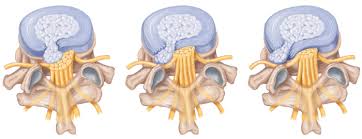
Herniated Disc
A herniated disc occurs when the gel-like nucleus inside an intervertebral disc of the spine pushes through a crack in the outer layer of the disc. This can compress nearby nerves and cause symptoms such as pain, numbness, muscle weakness, or even difficulty moving.
Here are some general tips for managing a herniated disc:
Rest and activity limitation
Avoid activities that worsen the pain, such as lifting heavy objects, bending, or twisting the spine. Initial rest may help reduce inflammation.
Ice or heat application
Apply ice to the painful area during the first 48 hours to reduce inflammation. After this period, heat can help relax tight muscles.
Over-the-counter pain relievers and anti-inflammatories
Medications such as ibuprofen, acetaminophen, or aspirin can help relieve pain and inflammation associated with a herniated disc.
Physical therapy
A physical therapy program may be recommended to strengthen the muscles around the spine, improve flexibility, and relieve pressure on the nerves.
Strengthening and stretching exercises
Specific exercises can help strengthen the abdominal, back, and pelvic muscles to support the spine. Stretching can also help reduce stiffness and improve mobility.
Corticosteroid injections
In some cases, your doctor may recommend corticosteroid injections directly into the affected area to reduce inflammation and relieve pain.
Posture and ergonomics
Maintain proper posture when sitting, standing, or lifting objects. Use adequate lumbar support and adjust your work environment to reduce pressure on the spine.
Medical consultation
If the pain persists or worsens despite self-care measures, consult a doctor for an accurate diagnosis and appropriate treatment plan. In some cases, surgical intervention may be recommended.
It is important to follow your healthcare professional’s recommendations and avoid overloading your back during recovery. With proper treatment and self-care, most cases of herniated discs improve over time.
Here are some exercises that may help strengthen the muscles around the spine and relieve symptoms associated with a herniated disc. It is important to consult a healthcare professional before starting any exercise program, as some movements may worsen the condition depending on the severity of the herniation.
Back stretch
Lie on your back with your knees bent and feet flat on the floor.
Gently pull your knees toward your chest, using your hands if needed.
Hold this position for 15 to 30 seconds, then release.
Repeat several times.
Bridges
Lie on your back with your knees bent and feet flat on the floor, arms at your sides.
Tighten your abdominal and gluteal muscles, then slowly lift your hips off the floor until your body forms a straight line from shoulders to knees.
Hold for a few seconds, then slowly lower your hips back down.
Repeat 10 to 15 times.
Hip stretch
Kneel on the floor with knees hip-width apart.
Step one foot forward and bend the knee at a 90-degree angle.
Gently lean forward until you feel a stretch in the back hip.
Hold for 15 to 30 seconds, then switch sides.
Modified prone plank
Lie on your stomach with your forearms under your shoulders, elbows aligned beneath them.
Tighten your abdominal muscles and slowly lift your torso off the floor while keeping your hips and legs on the ground.
Hold for a few seconds, then slowly lower yourself back down.
Repeat 5 to 10 times.
Diaphragmatic breathing exercises
Lie on your back with your knees bent and feet flat on the floor.
Place one hand on your chest and the other on your abdomen.
Slowly inhale through your nose, allowing your abdomen to rise.
Exhale slowly through your mouth, letting your abdomen relax.
Repeat for several minutes to promote relaxation and relieve tension.
These exercises can help strengthen the back, abdominal, and hip muscles, which support the spine and reduce pressure on the intervertebral discs. However, it is crucial to perform them carefully and under the guidance of a healthcare professional to avoid worsening the herniated disc condition.