About Proteins
- 3min read
Proteins are one of the three essential macronutrients, along with carbohydrates and fats.
They are made up of 20 amino acids, 8 of which are essential because they must be obtained from the diet.
Proteins play a crucial role in building, maintaining, and repairing the cells and tissues of the body. They also contribute to immune function and the daily renewal of skin, nails, hair, and muscle tissue.
Types of proteins
Animal proteins are considered complete because they contain all essential amino acids. They are found in fish, meats, eggs, milk, and dairy products.
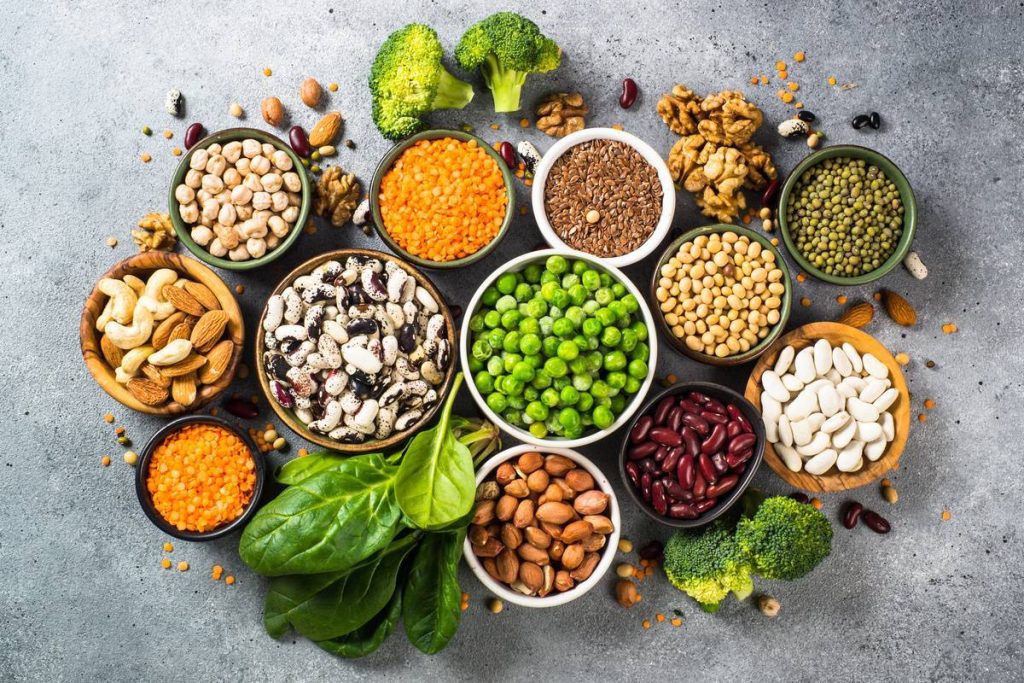
Plant proteins are often incomplete, meaning they lack some essential amino acids. They are present in legumes (beans, lentils, chickpeas), cereals, and soy.
Daily requirements
Protein requirements vary depending on age, body weight, and activity level.
For an athlete, protein requirements are generally 1.6 to 2.2 grams per kilogram of body weight.
Older adults may have slightly higher protein needs, generally 1.2 to 2 grams per kilogram of body weight.
The minimum recommended is about 1.2 grams per kilogram of body weight to maintain optimal health.
It is important to emphasize that these recommendations can vary from person to person depending on factors such as individual metabolism, health goals, and physical activity level. It is therefore advisable to consult a healthcare professional or nutritionist to obtain personalized nutrition recommendations.
Here is a list of protein-rich foods, whether of animal or plant origin:
Animal proteins
Lean meats: chicken, turkey, lean beef, veal, pork (choose lean cuts to reduce fat content).
Fish: salmon, tuna, trout, mackerel, sardines.
Seafood: shrimp, crab, mussels, oysters.
Eggs: rich in high-quality protein and essential amino acids.
Dairy products: Greek yogurt, cottage cheese, quark, milk, cheese, kefir.
Soy-based products: tofu, tempeh, edamame, soy milk.
Chicken-based products: chicken breast, turkey breast, lean ham.
Whey protein: often used in protein shakes for athletes.
Plant proteins
Legumes: lentils, black beans, chickpeas, split peas, kidney beans.
Seeds: chia seeds, flax seeds, pumpkin seeds, sunflower seeds.
Nuts and seeds: almonds, walnuts, cashews, hazelnuts, pecans, sesame seeds.
Soy-based products: tempeh, tofu, edamame.
Vegetables: spinach, broccoli, green peas, asparagus (all these vegetables also contain protein, although less than legumes and nuts).
Whole grains: quinoa, brown rice, oats, millet, buckwheat.
By including a variety of these protein-rich foods in your diet, you can ensure adequate protein intake, regardless of your dietary pattern (omnivore, vegetarian, or vegan). Be sure to also consult a healthcare professional or nutritionist to obtain personalized nutrition recommendations.