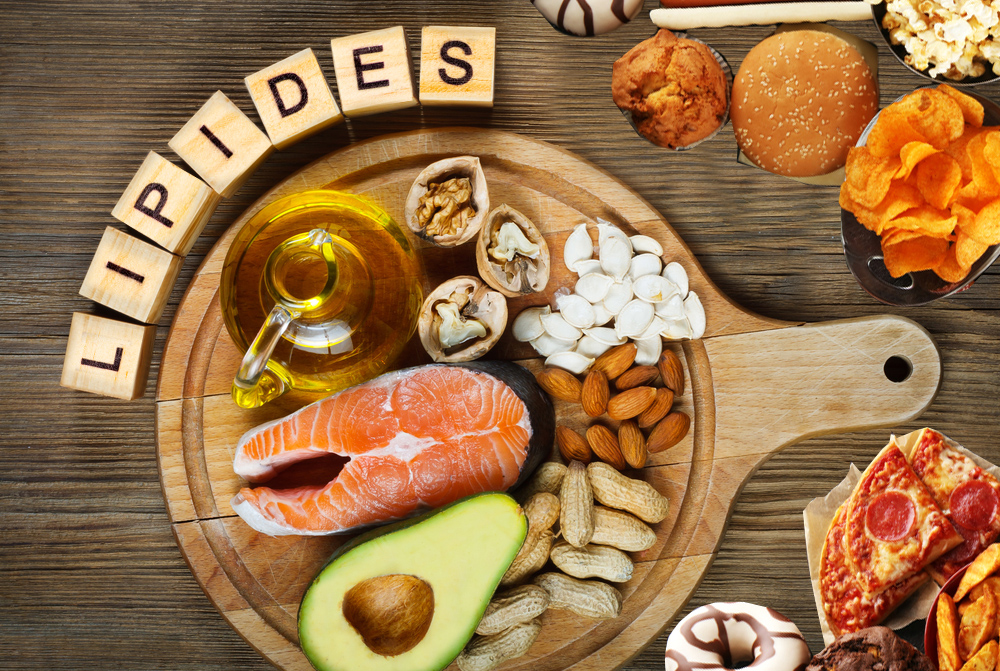
Fats, also known as lipids, are one of the three essential macronutrients, alongside proteins and carbohydrates. They play a crucial role in maintaining health and proper body function. Here are some key points about fats:
Types of fats
Saturated fatty acids These fatty acids are generally solid at room temperature and are often found in animal-based foods, as well as in some plant-based foods such as coconut oil and palm oil.
Unsaturated fatty acids These fatty acids are generally liquid at room temperature and are found in vegetable oils, nuts, seeds, and fatty fish.
Trans fatty acids These fatty acids are produced through a processing method called hydrogenation and are found in many processed foods such as fried foods, packaged snacks, and baked goods.
Functions of fats
Energy supply: Fats are a concentrated source of energy, providing more than double the energy of carbohydrates and proteins.
Insulation and protection: Fats help insulate and protect vital organs, maintain body temperature, and make up cell membranes.
Nutrient absorption: Fats are necessary for the absorption of fat-soluble vitamins (vitamins A, D, E, and K) and other nutrients.
Sources of fats
Foods high in saturated fatty acids: Butter, cheese, fatty meats, processed meats, full-fat dairy products.
Foods high in unsaturated fatty acids: Vegetable oils (olive oil, canola oil, walnut oil), avocados, nuts, seeds, fatty fish (salmon, mackerel, sardines).
It is recommended to choose sources of unsaturated fats (monounsaturated and polyunsaturated) rather than saturated or trans fats, as they are associated with better cardiovascular health.
Fats should make up about 20 to 35% of total calories in the diet, according to nutritional guidelines.
Recommended intake
Recommendations for fat intake vary depending on age, sex, physical activity level, and other individual factors.
Nutritional guidelines generally suggest limiting saturated and trans fats in the diet, while emphasizing unsaturated fats.
It is important to include a variety of healthy fat sources in the diet to maintain optimal health. Guidance from a healthcare professional or nutritionist can be helpful to determine individual fat needs and to develop a suitable dietary plan.