The Frozen Shoulder Also Known as Adhesive Capsulitis
- 3min read
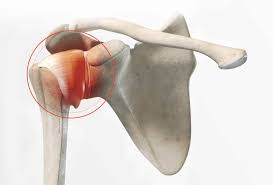
Frozen Shoulder (Adhesive Capsulitis)
Frozen shoulder, also known as adhesive capsulitis, is a painful condition of the shoulder characterized by stiffness and a significant reduction in range of motion. It occurs when the joint capsule of the shoulder thickens and tightens, leading to decreased mobility.
Here are some general tips for managing frozen shoulder:
Stretching and mobility exercises
Stretching and mobility exercises for the shoulder can help maintain or improve range of motion. Specific exercises may vary depending on the stage of the condition and your healthcare provider’s recommendations.
Physical therapy
A physical therapy program may be recommended to help restore shoulder mobility and strengthen the surrounding muscles. This may include strengthening exercises, joint mobilization techniques, stretching, and treatment modalities such as heat or ice.
Pain relievers and anti-inflammatories
Medications such as nonsteroidal anti-inflammatory drugs (NSAIDs) or analgesics may be prescribed to relieve pain associated with frozen shoulder. They may be taken orally or applied topically as creams or gels.
Intra-articular injections
In some cases, corticosteroid or other anti-inflammatory injections may be administered directly into the shoulder joint to reduce inflammation and relieve pain.
Stress management
Stress and anxiety can worsen the symptoms of frozen shoulder. Relaxation techniques, meditation, deep breathing, and other stress-management strategies may help reduce muscle tension and improve comfort.
Education and support
Understanding the nature of frozen shoulder and available treatment approaches can help manage expectations and encourage adherence to the treatment plan. Support from family, friends, and healthcare professionals can also be beneficial.
It is important to work closely with your doctor or healthcare provider to develop an appropriate treatment plan for your specific case of frozen shoulder. They can recommend tailored treatment strategies and monitor your progress over time.

Here are some exercises that may be beneficial for frozen shoulder:
Shoulder pendulum
Lean forward slightly, supporting yourself with the opposite hand on a table or chair.
Let the affected arm hang freely.
Make gentle circular movements with your arm, using its weight to create a swinging motion.
Perform 10–15 rotations clockwise, then counterclockwise.
Shoulder stretch
Stand or sit comfortably with your back straight.
Use your opposite hand to grasp the forearm or wrist of the affected arm.
Gently pull your arm across the front of your body until you feel a moderate stretch in the shoulder.
Hold this position for 15–30 seconds, then release.
Repeat several times.
Shoulder lift
Stand or sit with your back straight.
Hold a small weight (such as a water bottle) in your opposite hand.
Keep the affected arm relaxed at your side.
Slowly lift the affected arm sideways up to shoulder height.
Hold for a few seconds, then slowly lower your arm.
Repeat 10–15 times.
External shoulder rotation
Stand or sit with your back straight and arms at your sides.
Hold a resistance band with both hands, elbows bent at 90 degrees.
Rotate the affected arm outward, moving your hand away from your body.
Hold for a few seconds, then slowly return to the starting position.
Repeat 10–15 times.
Neck stretches
Slowly tilt your head to one side, trying to bring your ear toward your shoulder.
Hold for a few seconds, then return to neutral.
Repeat on the other side.
You can also perform gentle head rotations in both directions.
These exercises can help improve mobility and reduce stiffness in a shoulder affected by frozen shoulder. It is important to perform them gently and gradually, avoiding painful or excessive movements. If you experience significant pain or worsening symptoms, stop the exercises and consult a healthcare professional.