Plantar fasciitis
- 3min read
Plantar fasciitis
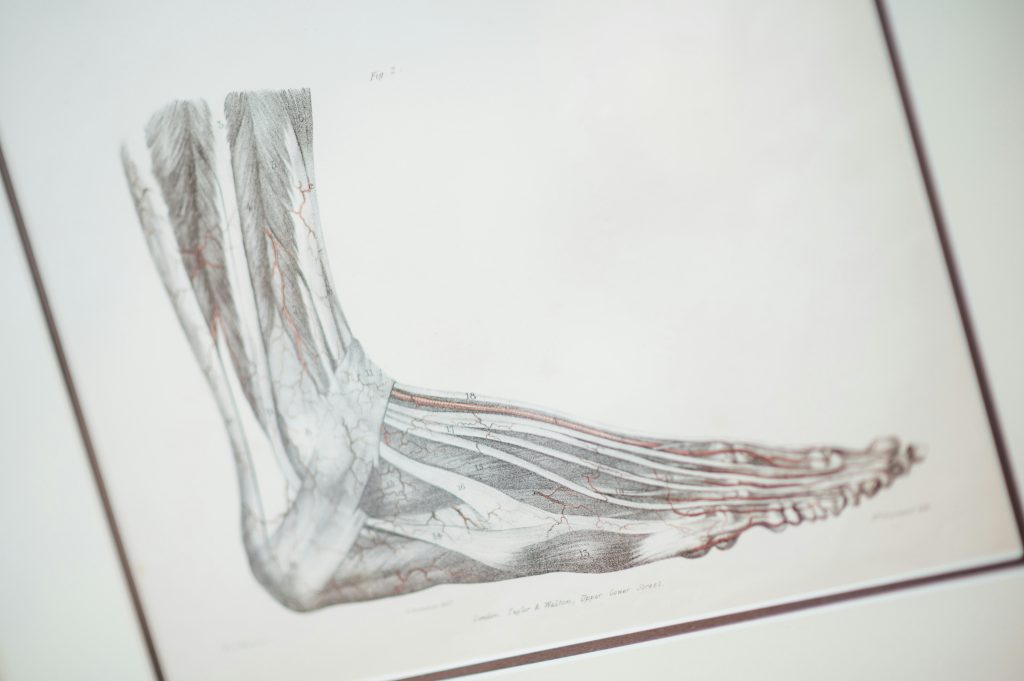
Plantar fasciitis is a painful condition that manifests as inflammation of the plantar fascia, a thick, fibrous tissue that connects the heel bone to the toes. This inflammation can cause heel pain, usually felt during the first steps in the morning after waking or after a prolonged period of rest.
Here is some additional information about plantar fasciitis:
Causes
Plantar fasciitis is often caused by excessive tension on the plantar fascia, which can lead to micro-tears and inflammation.
Factors such as overuse, inappropriate footwear, overweight, poor foot biomechanics, or high or low arches can contribute to the development of plantar fasciitis.
Symptoms
Heel pain, usually felt under the heel or along the arch of the foot.
Pain that is often more intense in the morning upon waking or after a prolonged period of rest, but may decrease as the day progresses.
Stiffness or pain after intense physical activity.
Diagnosis
Diagnosis of plantar fasciitis is generally based on symptoms reported by the patient and a physical examination.
Imaging tests such as X-rays or ultrasound may be used to rule out other causes of heel pain, such as a fracture or a spinal disc herniation.
Treatment
Treatment of plantar fasciitis generally aims to reduce inflammation, relieve pain, and prevent recurrence.
Self-care measures may include rest, ice application, stretching of the plantar fascia, wearing supportive shoes, and using orthotic insoles.
Non-steroidal anti-inflammatory drugs (NSAIDs) or corticosteroid injections may be prescribed to reduce inflammation and relieve pain.
Physical therapy, including strengthening and stretching exercises, can help strengthen the foot and ankle muscles as well as improve mobility and flexibility.
Surgical interventions
In severe and persistent cases of plantar fasciitis that do not respond to conservative treatments, surgical intervention may be considered to release the tight plantar fascia.
If you think you have plantar fasciitis, it is important to consult a healthcare professional to obtain an accurate diagnosis and an appropriate treatment plan. With proper treatment, most people with plantar fasciitis can achieve significant relief from their symptoms.

Here are some examples of exercises that may be beneficial for relieving symptoms of plantar fasciitis by strengthening the foot muscles, improving the flexibility of the plantar fascia, and promoting foot stability:
Plantar fascia stretches
Calf stretch: Stand near a wall, place one foot back with the leg straight. Slightly bend the front knee while keeping the heel on the floor until you feel a stretch in the calf of the back leg. Hold for 20–30 seconds and repeat on the other side.
Plantar fascia stretch: Sit on a chair and cross one leg over the other. Grab your toes and pull them toward you until you feel a stretch under the foot. Hold for 20–30 seconds and repeat on the other side.
Foot and ankle strengthening
Towel scrunch: Place a towel on the floor and pick it up with your toes, pulling it toward you. Repeat several times with each foot.
Heel raises: Stand with feet flat on the floor, slowly lift your heels by contracting your calf muscles. Hold for a few seconds, then lower the heels. Repeat 10–15 times.
Balance and stability exercises
Single-leg stand: Stand on one foot for 30–60 seconds, keeping the knee slightly bent for more stability. Repeat with the other foot.
Bosu balance: Stand on a half-bosu (an unstable surface) with one foot in the center. Maintain balance as long as possible, then switch sides.
Arch massage
Use a tennis ball or a frozen water bottle to gently massage the arch by rolling the foot over the object for a few minutes. This can help release tension and reduce pain.
Warm-up before activity
Before any physical activity, perform gentle stretches and warm-up exercises to prepare the foot and calf muscles for effort.
It is important to consult a healthcare professional or physiotherapist before starting any exercise program, especially if you suffer from plantar fasciitis. They can recommend exercises adapted to your specific condition and guide you throughout your rehabilitation. If you experience pain or discomfort during exercise, stop immediately and consult a healthcare professional.