Asthma
- 3min read

The treatment of asthma can be multifaceted and include both traditional medical approaches and complementary therapies such as manual therapies. Here are some points to consider:
Conventional medical treatment
The treatment of asthma often relies on the use of medications such as bronchodilators (to open the airways) and corticosteroids (to reduce inflammation). These medications are generally prescribed by a doctor.
Manual therapies
Certain manual therapies, such as osteopathy, chiropractic, and physiotherapy, can be used as complements to the conventional medical treatment of asthma. These therapies may aim to improve lung function, reduce muscle tension around the airways, and promote relaxation.
Osteopathy
Osteopaths use manual techniques to treat various disorders by seeking to restore the balance and mobility of the body. In the case of asthma, an osteopath may work on the rib cage, spine, and respiratory muscles to improve lung function.
Chiropractic
Chiropractors focus on correcting misalignments of the spine and may use manipulation techniques to relieve muscle tension and improve respiratory function.
Physiotherapy
Physiotherapists may recommend specific breathing exercises, as well as postural drainage techniques and massages to help clear the airways and improve lung function.
It is important to emphasize that all therapeutic approaches, including manual therapies, should be discussed with a health professional. Although these therapies may offer benefits for some asthma patients, they do not replace conventional medical treatments and should not be used as the exclusive treatment for asthma. Regular medical follow-up is essential to effectively monitor and manage asthma.
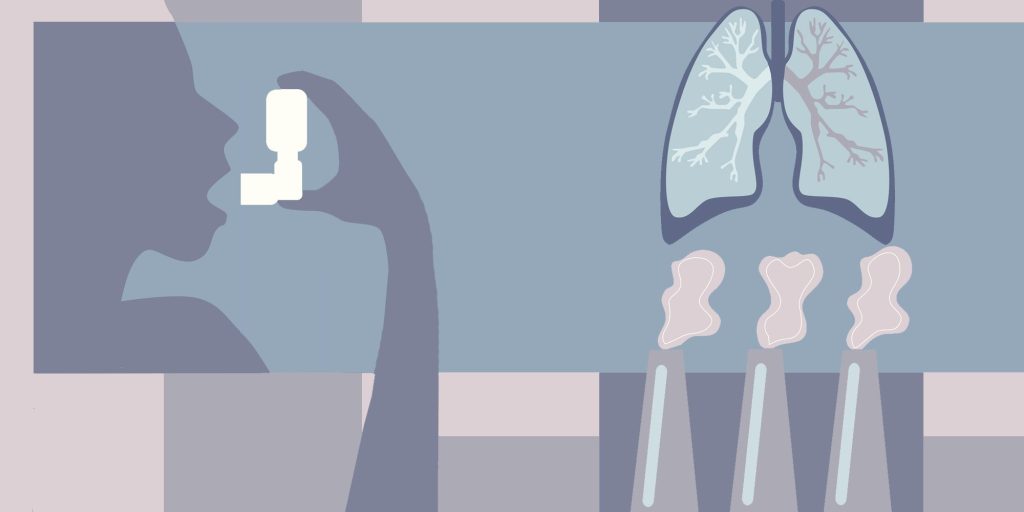
Here are some exercises that may help improve breathing and relieve asthma symptoms:
Abdominal breathing
Sit or lie down comfortably. Place one hand on your abdomen and the other on your chest. Breathe deeply through your nose, making sure that the hand on your abdomen rises while the one on your chest remains relatively still. Exhale slowly through the mouth. Repeat several times.
Controlled breathing
Take a deep breath through the nose for four seconds, hold your breath for two seconds, then exhale slowly through the mouth for six seconds. Repeat this exercise several times.
Pursed-lip breathing
Inhale slowly through the nose, then exhale gently through pursed lips, as if you were blowing through a straw. This can help to prolong exhalation and prevent bronchospasm.
Deep breathing with stretching
Standing, raise your arms above your head while inhaling deeply through the nose. Then exhale slowly while gently lowering your arms to the sides. Repeat several times.
Posture exercises
Maintaining good posture can help open the airways. Try to stand straight with relaxed shoulders and an open chest.
Gentle aerobic exercises
Activities such as walking, swimming, or cycling can strengthen the respiratory muscles and improve lung capacity.
It is important to consult a health professional before starting any exercise program, especially if you suffer from severe or uncontrolled asthma. They can recommend exercises adapted to your condition and give you advice on how to practice them safely. If you feel a deterioration of your condition during exercise, stop immediately and consult a doctor.