Iliotibial band syndrome (ITBS)
- 3min read
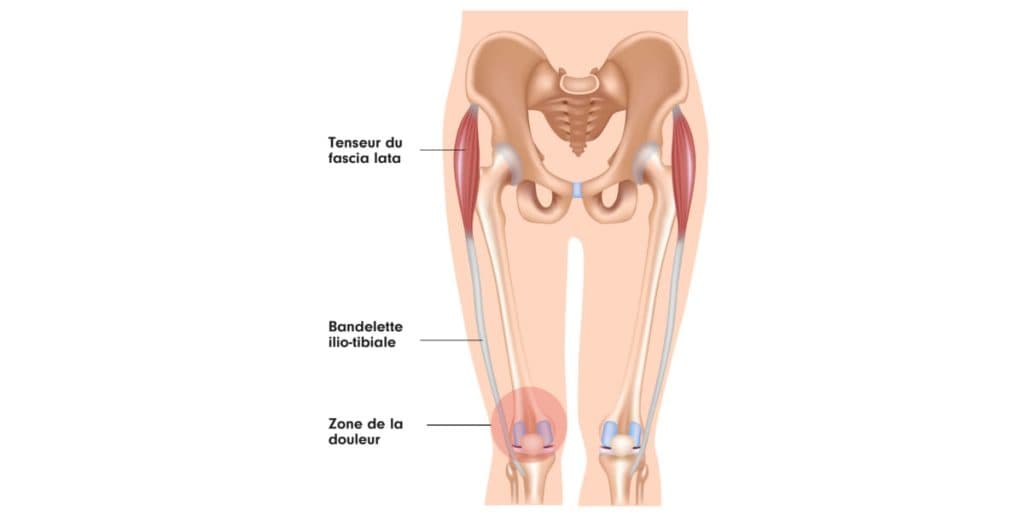
Iliotibial band syndrome
Iliotibial band syndrome, also known as iliotibial band friction syndrome, is a condition that usually presents as knee pain, on the outer side of the leg, often during flexion and extension of the knee, such as while running or walking. This pain is caused by irritation or inflammation of the iliotibial band, a band of connective tissue that runs along the thigh, from the pelvis to the tibia.
The risk factors and causes of iliotibial band syndrome may include:
Overuse
Repetitive activities such as running, cycling or long walking can cause irritation of the iliotibial band.
Muscle imbalance
An imbalance between the muscles of the hip, thighs, and lower back can lead to excessive tension on the iliotibial band.
Poor biomechanics
Poor posture, misalignment of the lower limbs, or gait defects can contribute to overloading of the iliotibial band.
Anatomical factors
Anatomical abnormalities, such as legs rotated excessively inward (excessive pronation) or incorrect alignment of the lower limbs, can increase the risk of iliotibial band syndrome.
Common symptoms of iliotibial band syndrome include:
Pain on the outside of the knee, often described as a burning or rubbing sensation.
Pain that worsens with physical activity, especially during flexion and extension of the knee.
Tenderness or pain when palpating the iliotibial band.
Stiffness or swelling around the knee.
Treatment of iliotibial band syndrome may include:
Reduction of physical activity
Avoid activities that worsen the pain and allow the iliotibial band time to heal.
Physical therapy
Strengthening and stretching exercises, as well as massage and myofascial release techniques, may be recommended to reduce tension on the iliotibial band and improve body biomechanics.
Use of supportive devices
Foot orthotics or supportive straps may help correct muscle imbalances and reduce pressure on the iliotibial band.
Anti-inflammatory medications
Medications such as non-steroidal anti-inflammatory drugs (NSAIDs) may help reduce inflammation and relieve pain.
Corticosteroid injection
In severe cases, corticosteroid injections may be administered to reduce inflammation around the iliotibial band.
Surgery
In very rare and severe cases that do not respond to other treatments, surgical intervention to release the iliotibial band may be considered.
If you suffer from knee pain that may be related to iliotibial band syndrome, it is important to consult a healthcare professional for an accurate diagnosis and appropriate treatment plan. Early treatment can help prevent long-term complications and promote full recovery.
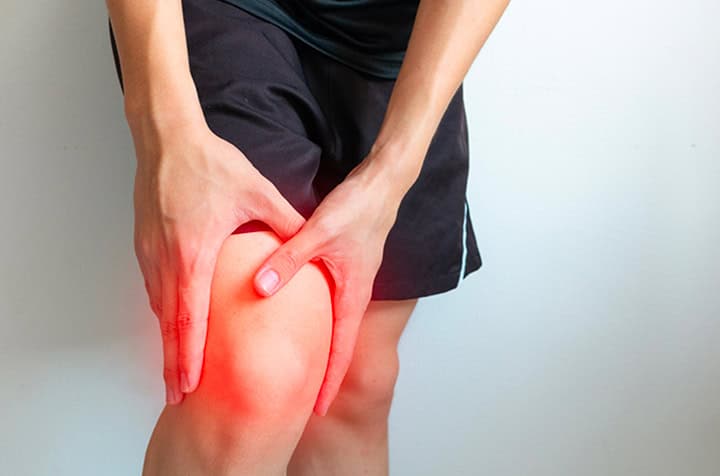
Here are some examples of exercises that can help strengthen the muscles around the knee and relieve symptoms of iliotibial band syndrome:
Strengthening of hip and thigh muscles
Squats: Stand with your feet shoulder-width apart. Bend your knees and lower your hips as if you were sitting on a chair. Keep your back straight and your knees aligned with your feet. Then rise back up by pushing through the heels. Do 2 to 3 sets of 10 to 15 repetitions.
Hip bridges: Lie on your back with your knees bent and feet flat on the floor. Lift your hips by contracting your glutes, then slowly lower them. Do 2 to 3 sets of 10 to 15 repetitions.
Clams: Lie on your side with your knees bent and feet stacked. Lift the top leg while keeping the feet in contact, then lower it slowly. Do 2 to 3 sets of 10 to 15 repetitions on each side.
Strengthening of calf muscles
Calf raises: Stand with your feet shoulder-width apart. Slowly lift your heels off the floor by contracting your calf muscles, then lower them. Do 2 to 3 sets of 10 to 15 repetitions.
Balance and stability exercises
Single leg stand: Stand on one leg for 20 to 30 seconds, then switch legs. Repeat 2 to 3 times on each side.
Stand with eyes closed: Stand on one leg with your eyes closed for 20 to 30 seconds, then switch legs. This helps strengthen the stabilizing muscles around the knee.
It is important to consult a healthcare professional or a physiotherapist before starting any exercise program, especially if you suffer from knee pain or have recently been diagnosed with iliotibial band syndrome. They can recommend specific exercises adapted to your condition and monitor your progress. If you feel pain or discomfort during exercise, stop immediately and consult a healthcare professional.