patellofemoral pain syndrome or PFPS
- 3min read
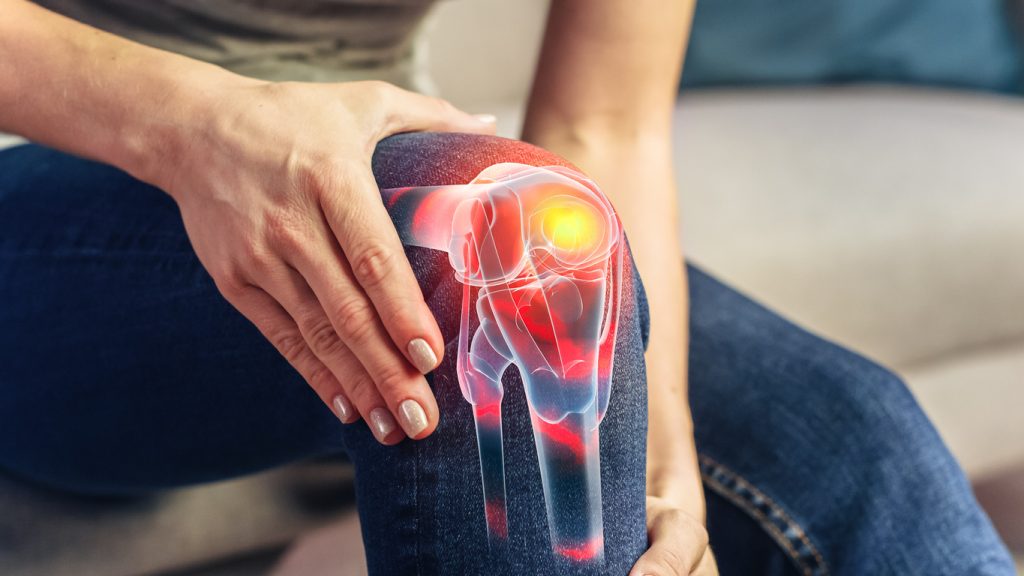
Patellofemoral syndrome, also known as patellar syndrome or patellofemoral pain, is a condition characterized by pain around or behind the kneecap (patella). This pain usually occurs during movements such as bending or extending the knee, going up or down stairs, or after a prolonged period in a seated position.
The exact causes of patellofemoral syndrome are not always clear, but several factors may contribute to its development, including:
Poor knee biomechanics
Abnormalities in the way the kneecap glides along the femoral groove can lead to irritation and pain.
Muscle weakness or imbalance
Weakness of the muscles around the knee, particularly the quadriceps and hip muscles, can lead to poor distribution of forces and increased pressure on the kneecap.
Overuse or overload
Activities that involve repetitive knee movements, such as running, jumping, or squatting, can cause overuse and irritation of the kneecap.
Anatomical factors
Factors such as the shape of the kneecap, abnormalities in the structure of the knee, or incorrect alignment of the lower limbs can also contribute to patellofemoral syndrome.
The common symptoms of patellofemoral syndrome include:
Pain around or behind the kneecap, worsened by physical activity or direct pressure on the kneecap.
A sensation of clicking or grinding in the knee during movement.
Stiffness or swelling around the knee.
Knee instability or a sensation of weakness.
The treatment of patellofemoral syndrome may include:
Muscle rehabilitation to strengthen the muscles around the knee and correct muscle imbalances.
Stretching and flexibility exercises to improve the suppleness of the muscles and structures around the knee.
Modification of physical activity to avoid movements that worsen the symptoms.
The use of supports or braces to support the knee and reduce pressure on the kneecap.
Manual therapy to correct joint misalignments and improve knee biomechanics.
In some severe cases, surgery may be considered to correct anatomical abnormalities or to decompress the irritated structures.
It is important to consult a health professional to obtain an accurate diagnosis and an appropriate treatment plan in case of suspected patellofemoral syndrome. A personalized rehabilitation program can help relieve symptoms and prevent long-term complications.
Here are some examples of exercises that may be beneficial for strengthening the muscles around the knee and improving stability in the context of patellofemoral syndrome:
Quadriceps strengthening
Leg extensions: Sit on a chair with your feet flat on the floor. Extend one leg in front of you by contracting the quadriceps, hold for a few seconds, then return to the starting position. Repeat with the other leg.
Hip muscle strengthening
Clams: Lie on your side with your knees bent and feet stacked. Slowly lift the top leg while keeping the feet in contact, then lower it. Repeat on the other side.
Hip bridges: Lie on your back with your knees bent and feet flat on the floor. Slowly lift the hips toward the ceiling while contracting the glutes, then return to the starting position.
Lower body stretches
Quadriceps stretch: Stand and grab your ankle or foot with your hand, bringing your heel toward your buttock. Hold for 20–30 seconds, then repeat on the other side.
Hamstring stretch: Sit on the floor with one leg extended in front of you and the other leg bent. Lean gently forward at the hip until you feel a stretch at the back of the thigh. Hold for 20–30 seconds, then switch legs.
Balance and stability exercises
Single-leg stands: Stand on one leg for 30 seconds to a minute, keeping the knee slightly bent to stabilize the kneecap. Repeat on the other side.
Wall squats: Lean against a wall with your back, then bend your knees to lower yourself as if sitting in a chair. Hold for a few seconds, then return to standing.
General strengthening exercises
Walking: Regular walking is an excellent way to strengthen the leg muscles and maintain joint mobility.
Swimming: Swimming is a low-impact activity that can strengthen muscles while improving flexibility and mobility.
These exercises can be included in a rehabilitation program supervised by a health professional, such as a physiotherapist, to ensure that they are appropriate for your specific situation and performed correctly. It is also important to start slowly and gradually increase the intensity and duration of the exercises to avoid injury. In case of pain or discomfort, stop the exercise and consult a health professional.